
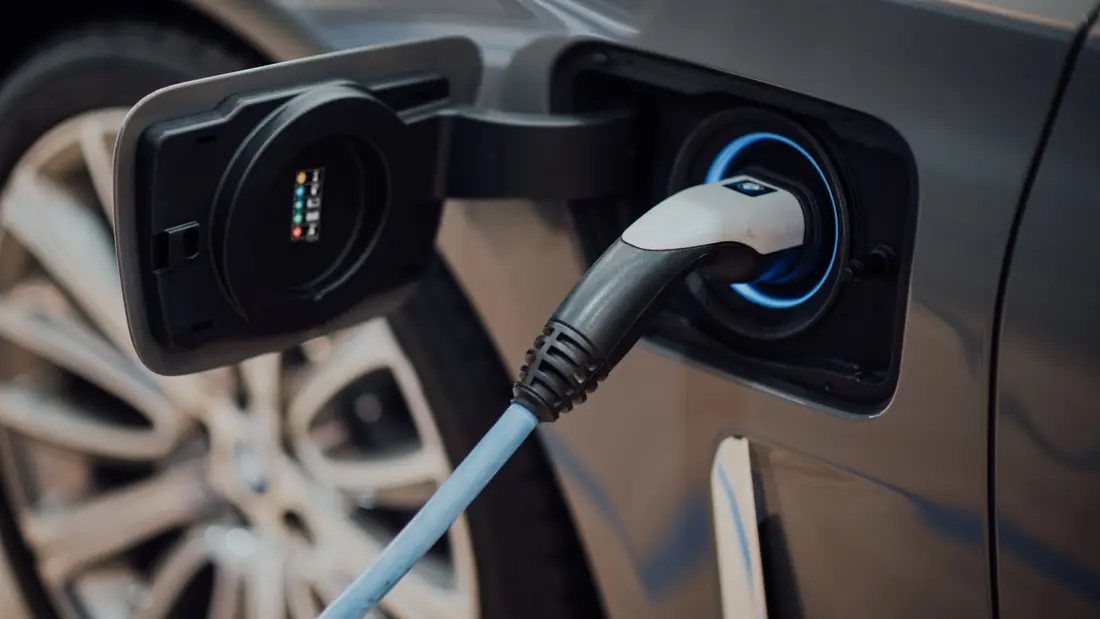
A Level 2 charger needs a dedicated 240 volt circuit sized for continuous duty. Plugging an EV into a regular outlet is slow and hard on the wiring. The circuit is the part we install.
You supply the charger. Tesla, ChargePoint, a hardwired wall unit, or a plug-in model: pick the one that matches the car. We do not stock or sell chargers. We run the circuit, mount and connect the unit you provide, and pull the permit.
The visit starts with a load calculation. If the panel cannot carry it, we quote that upgrade separately before any circuit work starts.
Many customers pair ev charger circuits with panel upgrade and residential electrical. Not sure where to start? Read signs you need an electrical panel upgrade in Polk County.
Serving Polk County: Lake Wales, Winter Haven, Bartow, Haines City, Lakeland, Dundee, Frostproof, Auburndale, Polk City, Davenport, Fort Meade, Lake Alfred, and the surrounding Central Florida communities. Call (863) 676-0198 to book.
“Kincaid did an excellent job adding outlets to my garage apartment. Their final fee matched their quote and they cleaned up and it was like they were never there!! (Except for the new outlets) Can’t stress enough the value of an honest electrician!”
Why Not Just Use A Regular Outlet
Level 1 charging from a standard 120 volt outlet is technically possible and practically a bad idea for daily driving.
- A Level 1 outlet adds only a few miles of range per hour, so a full charge can take more than a day
- An EV draws its maximum current continuously for hours, which is a duty cycle ordinary receptacles and their circuits were never designed for
- Continuous load on a shared circuit heats connections, and heated connections are how outlet fires start
- A Level 2 circuit is dedicated, correctly sized, GFCI-protected where required, and built for continuous duty
- Level 2 typically charges four to eight times faster, so the car is full overnight every night
How We Wire An EV Charger Circuit
- 1
Load calculation
We check whether your existing service has the capacity for a continuous Level 2 load. This determines everything that follows.
- 2
Your charger, the location
Bring the unit you bought, or tell us the model so we size the circuit to the manufacturer instructions. Hardwired or plug-in, indoor or outdoor, and where the cable needs to reach.
- 3
Panel work if needed
If the service cannot carry it, we quote the panel upgrade separately so you can decide before committing.
- 4
Circuit installation
A dedicated circuit run in clean conduit, correctly sized for continuous duty, terminated at the panel and at your charger.
- 5
Permit, inspection, and test
Permitted and inspected work, then tested with your actual vehicle before we leave.
Electric Car Charger Installation In Winter Haven: What Happens On Site
Electric car charger installation in Winter Haven starts with where the car parks and where the panel is. The distance between them sets the length of the circuit, and the route decides whether the wire runs through an attic, along a garage wall, or underground to a carport. Shorter and simpler runs are quicker and cost less than long or buried ones. The site visit also tells us whether the run needs trenching, a conduit change, or a wall penetration.
On the day, we mount the box or receptacle, run the conduit and conductors, and land the circuit on a dedicated breaker. You supply the charger, and we connect it to the manufacturer instructions. Then we test the circuit and the charger with your vehicle. You leave with a charging point that is ready to use that evening. We confirm the mounting spot allows easy access and a safe cable path before we begin.
Home EV Charging Station Installation In Polk County: Garage, Carport, Or Driveway
Home EV charging station installation in Polk County depends heavily on where you park. A garage is the easiest case, with a dry wall, a nearby panel, and shelter for the equipment. A carport or open driveway needs weather-rated equipment and often a longer run, sometimes with a post or pedestal to mount the unit. Think about how you will actually use the space day to day, and we will help place the unit to suit.
Florida weather matters for outdoor installs. Rain, sun, and heat all affect the choice of enclosure, conduit, and fittings. Think about the cable length too. A charger placed where the cord reaches the vehicle port without stretching or lying across a walkway is safer and lasts longer. We help you choose a mounting spot before any wire is pulled. That is easy to plan before work begins and much harder to change afterward.
Do You Need A Panel Upgrade For An EV Charger?
A panel upgrade for an EV charger is needed when the home does not have enough spare capacity for a long, continuous load. Charging a car runs for hours at a steady draw, unlike a dryer or oven that cycles. An older panel that is already near its limit, or one with no open breaker spaces, may not be able to take it safely. Whether a panel upgrade is needed is something we decide with numbers, not guesses.
We settle the question with a load calculation instead of guessing. That looks at the service size, the existing loads, and the charger rating. Sometimes the answer is that the panel can handle it as it is. Sometimes a smaller charger setting avoids the upgrade. If an upgrade is needed, we quote it separately so you can decide. The answer is usually clear from a short visit, and nothing is committed until you have the quote.
Tesla Charger Installation In Lakeland: Wiring For A Wall Connector Or An Outlet
Tesla charger installation in Lakeland usually means one of two setups. One is a hardwired wall connector. The other is a 240 volt outlet that a mobile connector plugs into. Both need a dedicated circuit, and the choice depends on how fast you want to charge and how much the panel can spare. A quick conversation about your driving habits usually settles the circuit size before any work begins.
You buy the equipment, and we do not sell chargers. We install the circuit and connect the unit to the maker instructions. If you are unsure which route fits, tell us your vehicle and your typical daily driving. That tells us the circuit size worth installing, and whether running a slightly larger conductor now will save you work if you add a second car later. We tell you which route we recommend and why, and you make the final call.
Adding A 240V Outlet For An Electric Car: Outlet Or Hardwired Charger?
A 240V outlet for an electric car is a common alternative to a hardwired charger. The outlet is typically a heavy-duty receptacle on its own circuit, and the car carries a cord that plugs into it. It makes it easy to swap the charger later, take it with you if you move, or use it for other equipment such as a welder. Either setup works well when the circuit is sized correctly and installed to code.
A hardwired unit removes the plug as a point of wear and heat. Continuous charging puts steady stress on a receptacle, so the outlet has to be a quality, correctly rated device installed on a properly sized breaker. We explain the tradeoffs and install whichever setup suits your charger, your garage, and how you intend to use it. The result is a clean install that is ready for the charger you already own or plan to buy.
Ready to book ev charger circuits?
Licensed, family owned, and working out of Lake Wales since 1973. Upfront pricing, and a real person on the phone.
Other Electric Vehicles Services
EV Charger Circuits Across Polk County
The same crew covers the whole service area. Pick your city for local detail, or just call us.
Lake Wales/Winter Haven/Bartow/Haines City/Lakeland/Dundee/Frostproof/Auburndale/Polk City/Davenport/Fort Meade/Lake Alfred
EV Charger Circuits FAQs
Do I need to upgrade my panel first?
Sometimes. A Level 2 charger is a substantial continuous load. If your service has spare capacity and an open double-pole space, we can often add the circuit as it stands. If not, the panel comes first. The load calculation answers it before you spend anything.
How long does installation take?
A straightforward install with the panel near the parking spot is typically a few hours. Long conduit runs, detached garages, or trenching to a car port take longer. If a panel upgrade is needed, that is a separate day.
Do you sell the charger?
No. You supply the charger you want. We install the dedicated circuit and wire the unit to the manufacturer instructions. If you have not bought one yet, tell us the vehicle and we can tell you what circuit it will need.
Do I need a permit for an EV charger?
Yes, in Polk County an EV charger circuit is permitted work. We pull the permit and schedule the inspection. It protects you at resale and keeps your homeowners coverage intact.
Can you wire chargers for our business?
Yes. Workplace and customer charging circuits for offices, retail, and multi-family properties. You supply the units. We install the circuits, including multiple ports on a shared service with appropriate load management.
Can I install a Level 2 EV charger myself?
A Level 2 circuit is a 240 volt continuous load, which is not a category we would have anyone learn on. In Polk County it is permitted work, and an unpermitted installation is a problem for your homeowners cover and at resale. Beyond the permit, the failures we get called to are undersized conductors, a breaker chosen as though the load were intermittent, and terminations that heat up over months of daily charging.
How much will my electric bill increase with a Level 2 charger?
Work it out from your own driving rather than from an average. Take your typical miles per week, divide by the miles your car gets per kilowatt hour, and multiply by the rate per kilowatt hour on your utility bill. That gives you a figure you can trust. Most drivers find it is less than they were spending on petrol, and charging overnight where a time of use rate is offered lowers it further.
What size breaker is required for a Level 2 EV charger?
It follows the charger, and a charger is a continuous load, so the circuit is sized at 125 percent of its continuous current. In practice a 40 amp charger goes on a 50 amp circuit and a 48 amp charger on a 60 amp circuit, with the conductor sized to match. The manufacturer instructions are the governing document and we install to them. Which charger your service can actually support is what the load calculation answers first.