
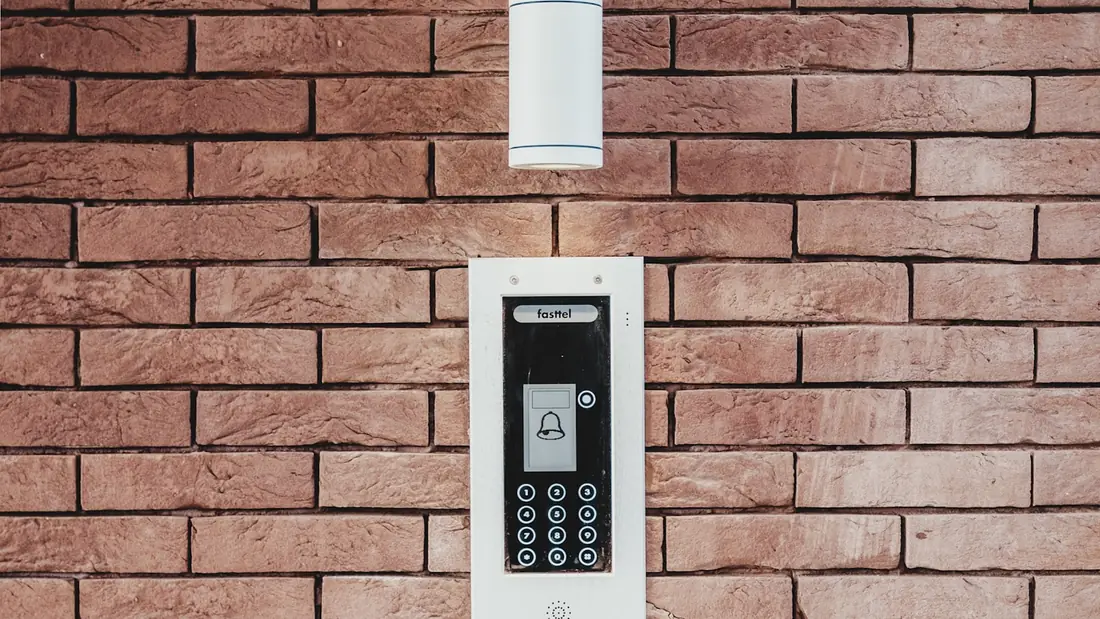
Workplace safety solutions are important. The company provides access control products designed to secure entry points. These systems can integrate multiple technologies including key fobs, keypads, and card systems tailored to specific facility requirements.
The practical argument for access control is simple: keys cannot be revoked. When an employee leaves with a key, or one goes missing, your only real option is to rekey the building. A credential is disabled in seconds, and you have a record of who opened which door and when.
We install and integrate these systems as part of the wider electrical and security package, so the door hardware, the alarm, and the cameras work together rather than being three separate contracts with three separate support numbers.
Many customers pair access control with security alarms and video surveillance. Not sure where to start? Read signs you need an electrical panel upgrade in Polk County.
Serving Polk County: Lake Wales, Winter Haven, Bartow, Haines City, Lakeland, Dundee, Frostproof, Auburndale, Polk City, Davenport, Fort Meade, Lake Alfred, and the surrounding Central Florida communities. Call (863) 676-0198 to book.
“Kincaid did an excellent job adding outlets to my garage apartment. Their final fee matched their quote and they cleaned up and it was like they were never there!! (Except for the new outlets) Can’t stress enough the value of an honest electrician!”
What We Install
Credentials
- Key fob and proximity credentials
- Keypad and PIN entry
- Card reader systems
- Mobile credentials where the platform supports them
Door Hardware
- Electric strikes and maglocks
- Request-to-exit devices and door position sensors
- Code-compliant egress on every controlled door
- Gate and overhead door control
Management
- Scheduling and time-based access rules
- Per-user and per-group permissions
- Audit trail reporting on entries
- Integration with alarm arming and video
Key Card Entry System Installation In Lakeland: How A Door Becomes Controlled
A key card entry system installation in Lakeland turns an ordinary door into one that checks who is entering. A reader at the door reads the card and sends the number to a controller. The controller decides, based on its rules, whether to release the lock. The lock is usually an electric strike or a magnetic lock, powered from a supply that is wired back to the controller. We check the frame, the door material, and the cable path at every opening, because they decide how much work each door takes.
Each controlled door has several parts that all have to work together: the reader, the lock, a sensor that reports whether the door is closed, and a way for people inside to exit. The cable and power supply are the pieces people overlook. We survey each door first, because frame type and traffic decide which hardware will last. Backup power and a safe exit are specified at each door, so a controlled opening still opens from the inside when the power fails.
Is A Keypad Door Entry System Right For Your Business?
A keypad door entry system for a business is the simplest form of electronic access. People enter a code instead of carrying a key or card. It suits a back door, a storage room, or a small office where only a few people need access and the cost of cards would not be worth it. A short door list with a purpose for each opening makes the quote easier to compare and the system easier to manage.
The tradeoff is accountability. A shared code tells you someone entered but not who, and codes tend to get passed around. Systems that assign each person a separate code solve part of that. For larger staff, a card or fob is usually the better choice. We will tell you where a keypad is enough and where a credential makes more sense. If you expect to grow, we can plan the controller and wiring to accept more users or doors later.
Commercial Door Access Control In Winter Haven: Offices, Gates, And Tenant Spaces
Commercial door access control in Winter Haven covers more than an office suite. A property may have a front lobby, tenant doors, a mechanical room, a storage yard, and a vehicle gate. Each has a different need. The lobby may unlock on a schedule, while the electrical room should open only for a few named people. Written rules for each door group keep the system consistent as tenants and staff come and go.
Multi-tenant buildings add another layer. Each tenant wants control of its own users without seeing anyone else, while the manager needs control of common doors. A well-set-up system supports that with groups and permissions. We lay out the door list with you, decide which are controlled, and keep the wiring neat and labeled for future service. We tell you honestly when a keypad is the right answer, and we do not push a larger system you do not need.
Keyless Entry System For An Office Building: Replacing Keys Without Losing Control
A keyless entry system for an office building solves a problem every manager knows: keys get copied, lost, and never returned. With a credential system, you disable a lost card in the software without changing a single lock. Departing staff lose access the day they leave, and you do not have to chase down anyone for a key. Moving off keys is easiest when you start with the main doors and expand once everyone is comfortable.
The switch has to be planned for the ways people use the building. Cleaners, deliveries, and after-hours workers need schedules that match their routines. Fire exits, power loss, and emergency egress must always work without a credential. We design around those rules first, then add convenience features on top of a door that is safe for everyone inside. The result is a system that makes the daily routine easier without compromising life safety.
Cloud Based Access Control System: What Changes And What Stays The Same
A cloud based access control system lets you manage users and doors from a web browser or phone instead of a computer in a back office. You can add a new hire, disable a card, or unlock a door for a delivery from anywhere. Software updates arrive automatically, and there is no server in a closet to maintain. Decide who administers the system and who backs them up, so changes never wait on one person.
The physical side stays the same. The doors still need readers, locks, sensors, power, and cable, and they still have to work correctly when the internet is down. Ask how each controller behaves offline, and make sure doors keep honoring stored credentials. We install the hardware and wiring so the system stays dependable regardless of the software platform you choose. Ask for a clear explanation of what each door does during a power loss before you sign off.
Ready to book access control?
Licensed, family owned, and working out of Lake Wales since 1973. Upfront pricing, and a real person on the phone.
Other Security Alarms Services
Access Control Across Polk County
The same crew covers the whole service area. Pick your city for local detail, or just call us.
Lake Wales/Winter Haven/Bartow/Haines City/Lakeland/Dundee/Frostproof/Auburndale/Polk City/Davenport/Fort Meade/Lake Alfred
Access Control FAQs
Can we control access by time of day?
Yes. Schedules and per-user rules are standard, so cleaning staff have access only during their window, delivery doors unlock during business hours, and after-hours entry is limited to who you choose.
What happens in a power outage?
Egress always works, that is non-negotiable and code-required. Beyond that, we specify battery backup and choose fail-safe or fail-secure hardware per door based on what that door needs to do when power is lost.
Can it integrate with our alarm and cameras?
Yes, and integrated systems are far more useful. A door forced open can trigger the alarm and flag the camera footage from that moment, so you are looking at the relevant clip immediately instead of scrubbing through hours.
How hard is it to add or remove users?
Seconds, from the management software. That is the main practical advantage over keys. When somebody leaves, you disable the credential rather than rekeying the building.
How much does an access control system cost?
Access control is priced per door, and the door is most of it. Each controlled opening needs a reader, an electric strike or maglock, a request-to-exit device, a door position switch, power, and cable back to the controller, plus whatever the existing door and frame need to accept that hardware. Published national breakdowns show per-door figures that vary widely by credential type, cited here as general references rather than as our price. We survey each door and quote it.
What are the 4 types of access control systems?
In security terms they are discretionary, where the owner of a resource decides who gets in; mandatory, where a central policy decides and users cannot override it; role based, where permission follows a job function; and rule or attribute based, where access depends on conditions such as time of day or location. For most commercial buildings we install, role based with time schedules is the practical model, so reception staff, cleaners, and management each get what their role needs.
What is the average monthly cost of a security system with access control?
The recurring cost depends on whether the platform is cloud managed or runs on premises. Cloud systems charge per door or per reader each month for the software, hosting, and updates, and published figures for that span a wide range. An on-premises system has no monthly software fee, but you own the server and the updates. Alarm monitoring, if it is part of the package, is billed separately. We set out every recurring line in the proposal so nothing appears later.
Why does an access control system cost so much?
Because the reader on the wall is the cheapest part. Behind it sits door hardware rated for the traffic, code-compliant egress on every controlled opening, a fire alarm interface so the doors do the right thing during an alarm, backup power, cable back to a controller, and the software that manages all of it. Getting egress and the fire interface wrong is a life safety failure rather than a nuisance, and that is where cut-price installs get facilities into serious trouble.
How can I reduce access control system costs?
Control fewer doors. Most buildings need genuine credential control on a handful of openings and can leave the rest on mechanical hardware or request-to-exit only. Do the work during a build-out while ceilings are open rather than afterwards. Reuse serviceable door hardware where it will take a strike. And run cable for future doors while the ceiling is open even if the readers come later, since the cable is cheap now and expensive later.